 Automotive
Real-world users
Built on what we believe is the world’s largest proprietary dataset of facial videos for vital-sign monitoring.

The road is only half the story. PIC adds physiological context to driver and occupant monitoring, starting with camera-based heart rate estimation.
FaceMed.ai’s Physiological Intelligence Cockpit (PIC) is a software layer that estimates physiological signals from suitable in-cabin video, starting with heart rate. It is designed to complement DMS and OMS by adding physiological context for driver and occupant applications.
See the PIC concept in context: camera-based heart-rate monitoring contributing an additional signal to a Detect → Verify → Respond workflow.
Book a Demo






FaceMed.ai is built for conditions where conventional camera-based vital-sign monitoring struggles: movement, vibration, changing illumination and unconstrained users.
Built on what we believe is the world’s largest proprietary dataset of facial videos for vital-sign monitoring.
Deployed across transport and mobility in real-world operating conditions.
Evaluated mixed-road heart-rate MAE of 3 BPM.
Not simply demonstrated in controlled conditions. Built and evaluated for the real world.
Explore how PIC can contribute to an intelligent cabin. Each layer has a distinct role; the value comes from evaluating them together.
Eye gaze, head pose, posture, movement and responsiveness help interpret visible behaviour.
Behavioural monitoring remains an essential input.
PIC starts with camera-based heart rate estimation. An evaluation examines the estimate alongside signal quality, availability and changing conditions.
Explore the sensing approach ↗Combine evidence, verify the situation and apply the OEM’s policy. Occupant checks and support escalation are integration concepts requiring validation.
Explore occupant safety ↗Applied across automotive, consumer health and safety-critical environments, with each programme framed according to its demonstrated scope.
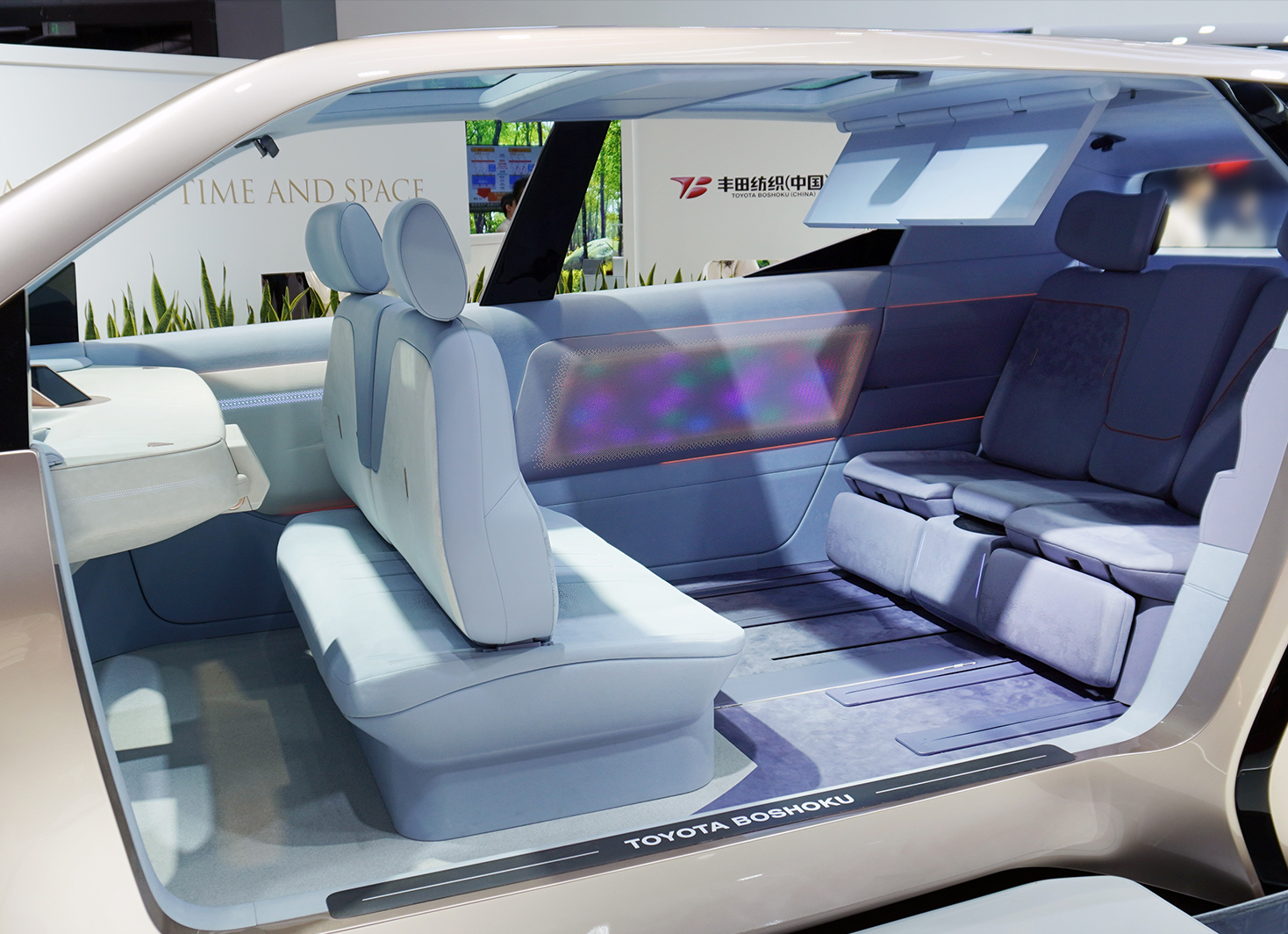
Camera-based in-cabin health monitoring for drivers and occupants, integrated into a Toyota Boshoku concept vehicle and presented at Auto Shanghai.
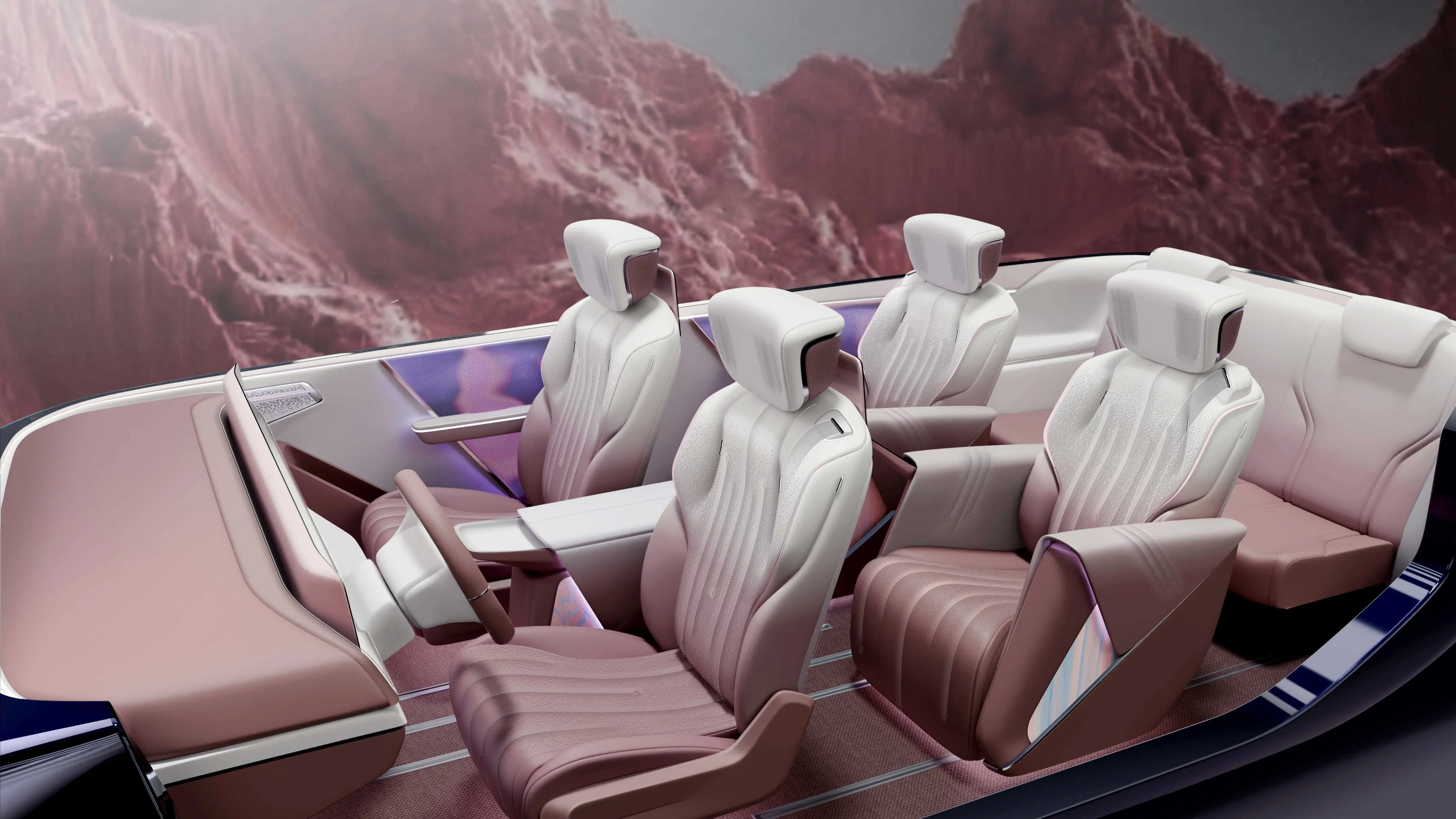
Multimodal in-cabin health monitoring integrated into a Toyota Boshoku concept vehicle and presented at Auto China.
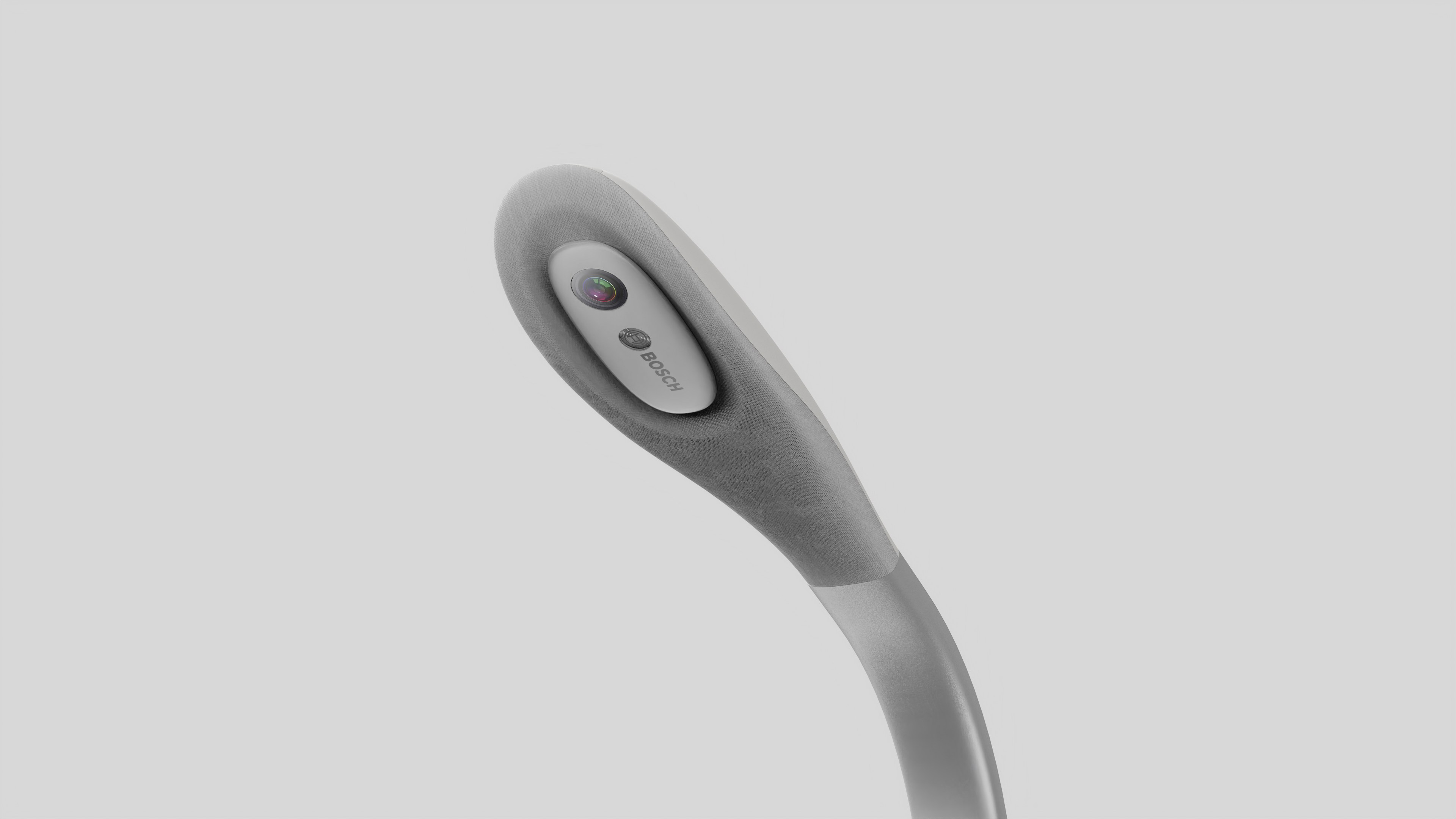
Camera-based heart and respiratory-rate monitoring, presented with Bosch at CES 2025 and recognised as a CES Innovation Awards Honoree in Artificial Intelligence.
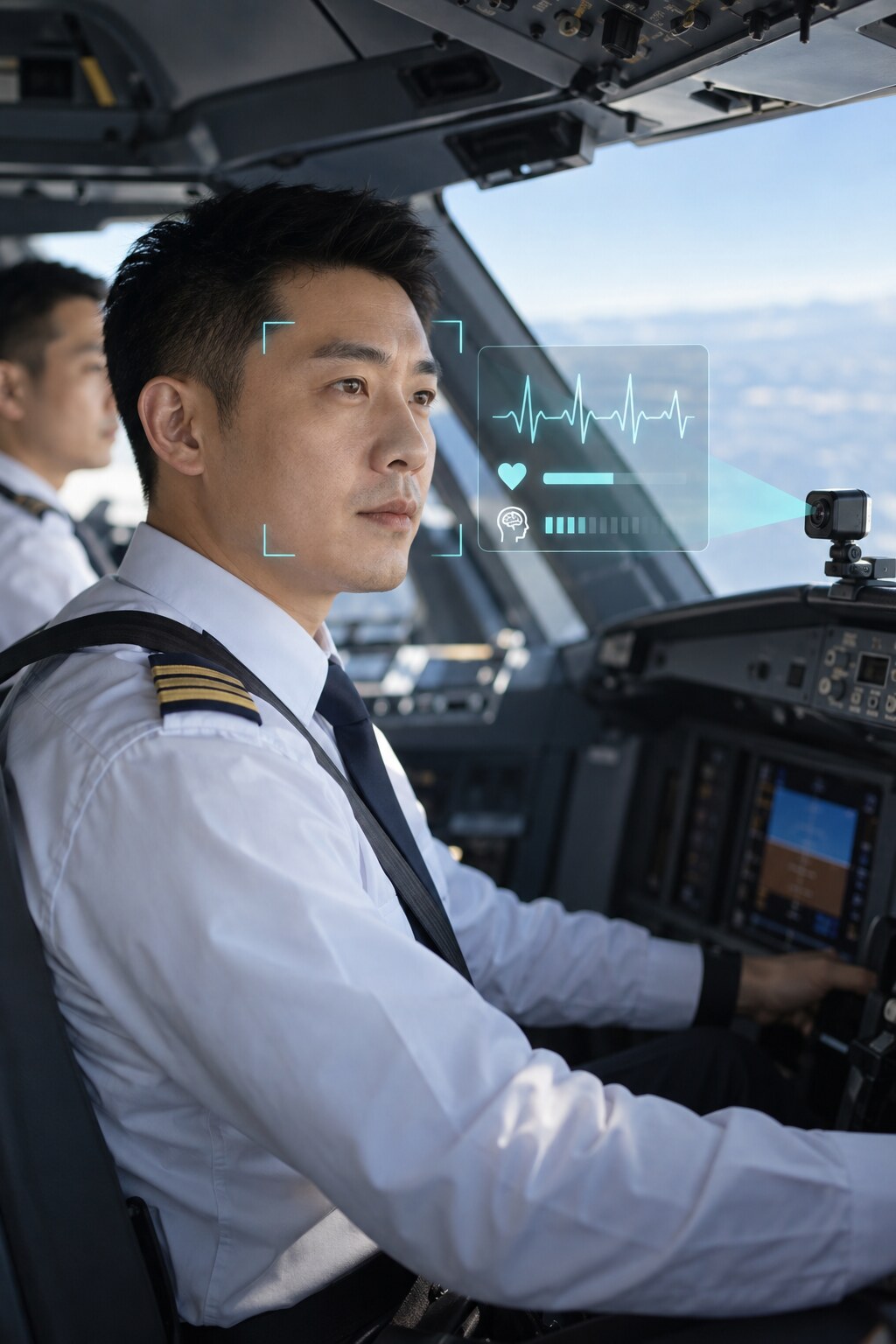
Contactless physiological and mental-stress monitoring for aircrew, supporting continuous human-state awareness in safety-critical aviation operations.
Begin with a defined platform and a measurable question. Explore broader applications as the evidence develops.
Investigate whether a sustained physiological change adds useful context to driver incapacitation or unresponsiveness workflows.
Explore driver applications →Test whether physiology improves confidence when an occupant appears unresponsive or unable to request support.
Explore occupant applications →Provide an upstream physiological input to verification, remote support and OEM-defined response processes.
Explore autonomous mobility →Explore the questions that matter to your team, from camera feasibility to system integration and evaluation design.
Start with a 20-minute conversation about your camera platform, target use case and evaluation requirements.