 Automotive
Observe the person
“What is the person doing?”
Eye gaze, head pose, posture, movement and responsiveness help interpret visible behaviour.
Behavioural monitoring remains an essential input.

The road is only half the story. PIC adds physiological context to driver and occupant monitoring, starting with camera-based heart-rate estimation.
See the PIC concept in context: camera-based heart-rate monitoring contributing an additional signal to a Detect → Verify → Respond workflow.
Book a Demo






Explore how PIC can contribute to an intelligent cabin. Each layer has a distinct role; the value comes from evaluating them together.
Eye gaze, head pose, posture, movement and responsiveness help interpret visible behaviour.
Behavioural monitoring remains an essential input.
PIC starts with camera-based heart-rate estimation. An evaluation examines the estimate alongside signal quality, availability and changing conditions.
Explore the sensing approach ↗Combine evidence, verify the situation and apply the OEM’s policy. Occupant checks and support escalation are integration concepts requiring validation.
Explore occupant safety ↗Working with Toyota Boshoku on in-cabin health-monitoring concepts presented at Auto Shanghai 2025 and Auto China 2026 in Beijing.
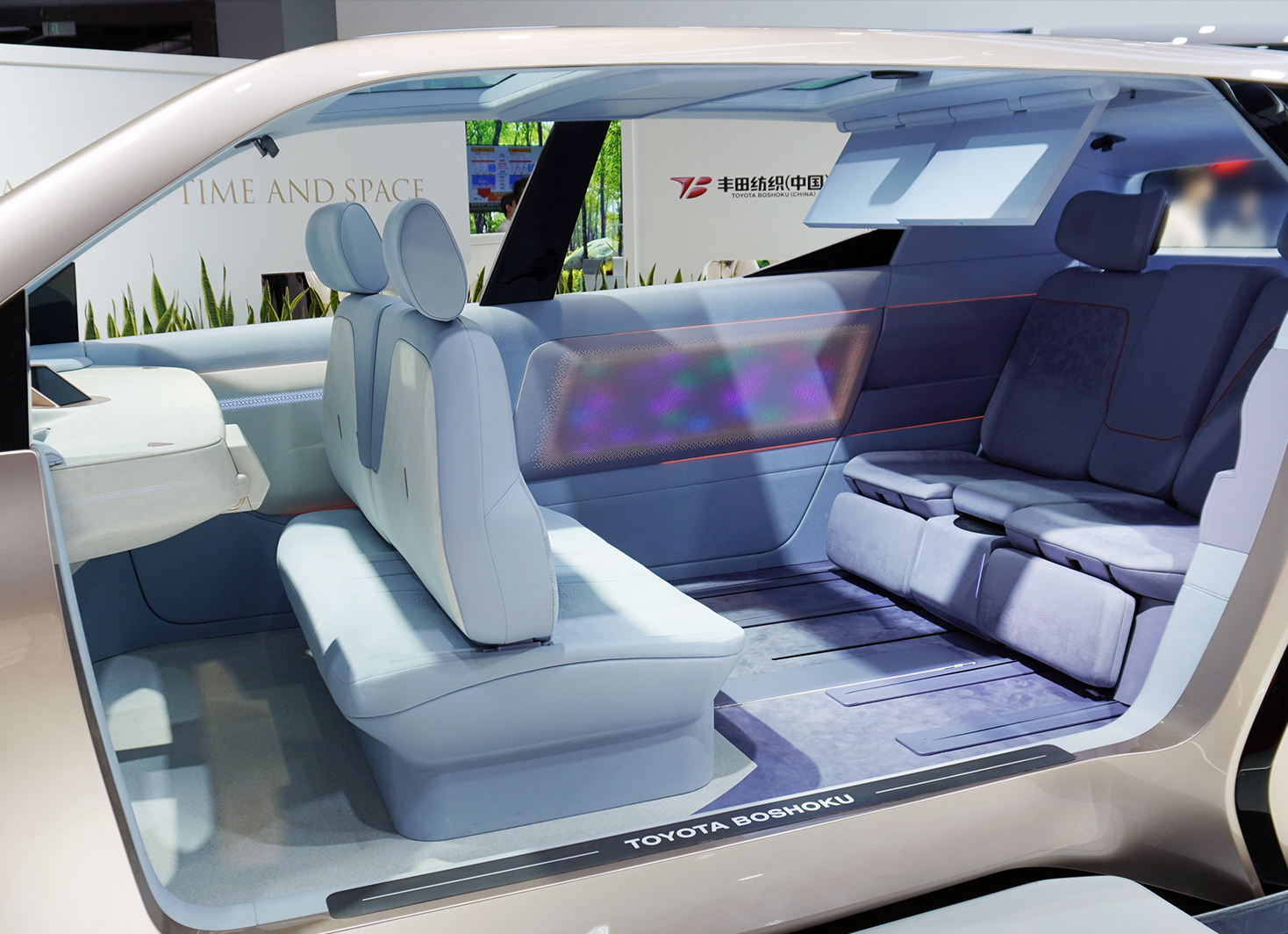
In-cabin health-monitoring collaboration with Toyota Boshoku.
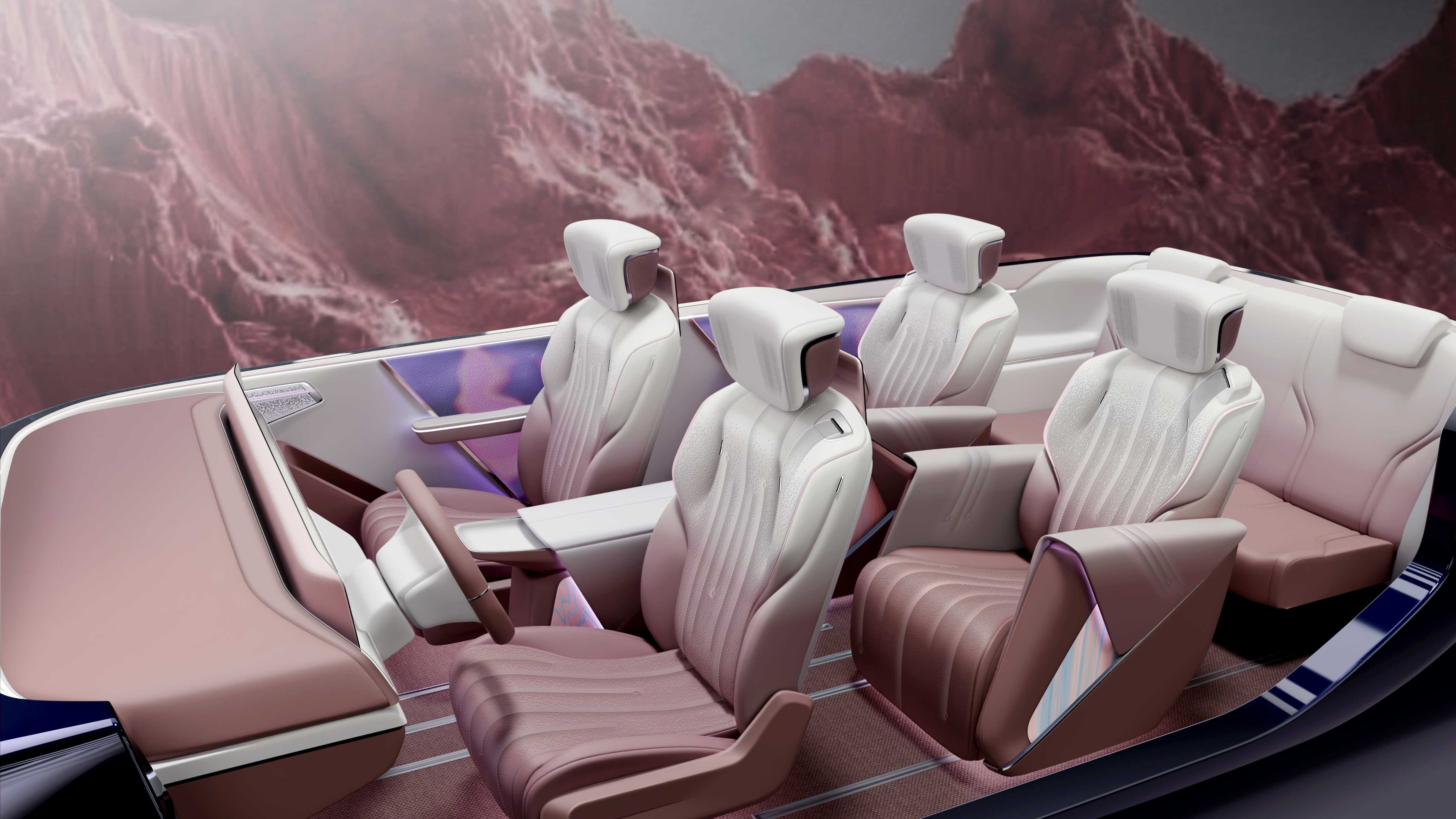
Continuing our in-cabin health-monitoring collaboration with Toyota Boshoku.
Begin with a defined platform and a measurable question. Explore broader applications as the evidence develops.
Investigate whether a sustained physiological change adds useful context to driver incapacitation or unresponsiveness workflows.
Explore driver applications →Test whether physiology improves confidence when an occupant appears unresponsive or unable to request support.
Explore occupant applications →Provide an upstream physiological input to verification, remote support and OEM-defined response processes.
Explore autonomous mobility →Explore the questions that matter to your team, from camera feasibility to system integration and evaluation design.
Start with a 20-minute conversation about your camera platform, target use case and evaluation requirements.